The Power of Mindful Transformation
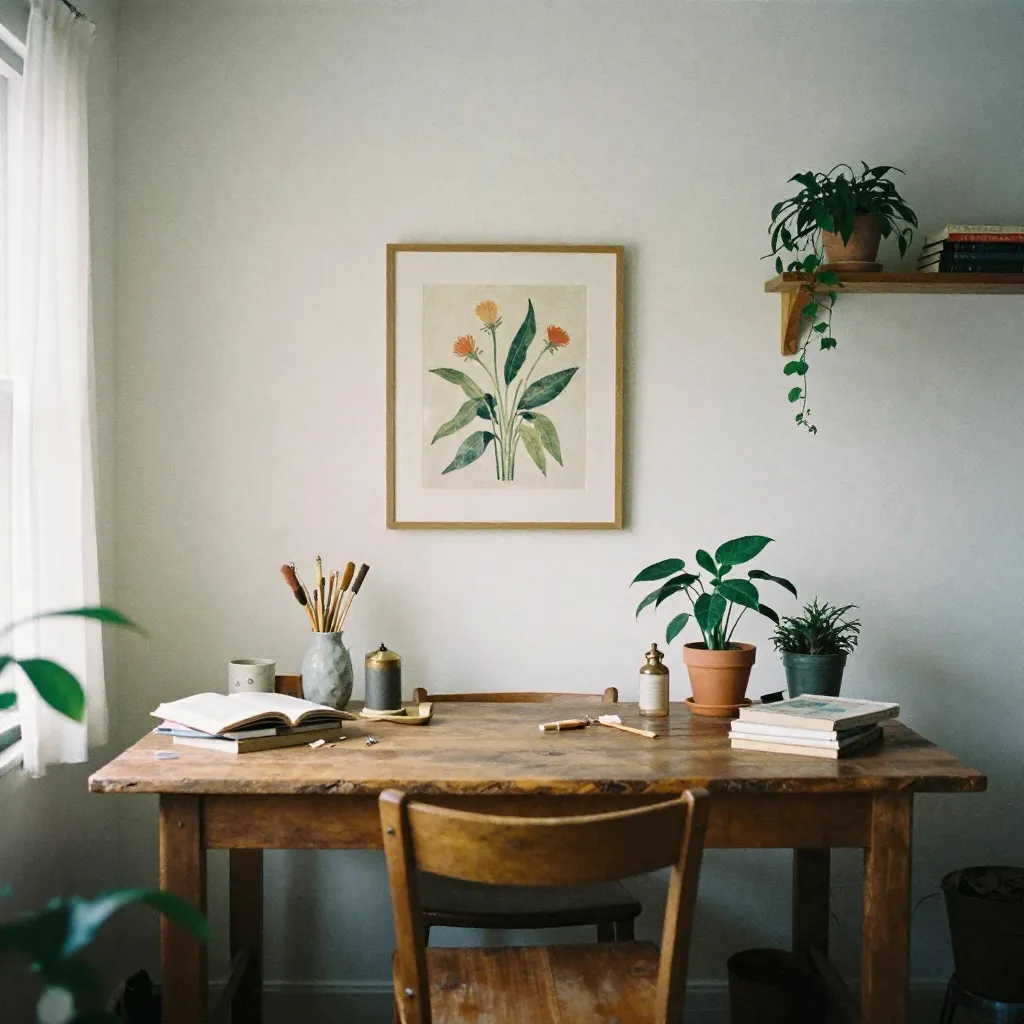
Every home transformation begins with recognizing that something needs to change. Whether it's chronic stress, difficulty relaxing, or simply feeling disconnected from your space, these stories show how intentional design choices can create profound shifts in both your environment and your emotional well-being.
Follow along as we explore real transformation journeys, step by step, and discover practical checklists you can apply to your own home.
The Overwhelmed Living Room
What Stress the Homeowners Felt
Sarah and Mark's living room had become a source of daily stress. The space was cluttered with mismatched furniture, bright colors competed for attention, and there was no clear sense of flow. Coming home after work felt overwhelming rather than restorative. They found themselves avoiding the room, preferring to spend time in other parts of the house.
The constant visual noise made it difficult to relax, and the lack of organization meant they couldn't find things when needed, adding to daily frustration. The room felt chaotic and didn't reflect their desire for peace and calm.
What Mindful Changes Were Made
Working together, we identified the core issues: too many competing elements, lack of color harmony, and poor furniture placement. The transformation began with a thorough decluttering session, removing items that no longer served a purpose or brought joy.
We introduced a cohesive color palette of warm neutrals—soft beige walls, sage green accents, and terracotta touches. Furniture was rearranged to create clear pathways and defined conversation areas. Natural materials were introduced: a wool rug, linen curtains, and wooden accents that brought warmth and texture.
Lighting was redesigned to be layered and adjustable, with dimmable overhead lights, table lamps for ambient glow, and candles for evening atmosphere. Surfaces were cleared and organized, with each item given a designated home.
Emotional & Visual Result
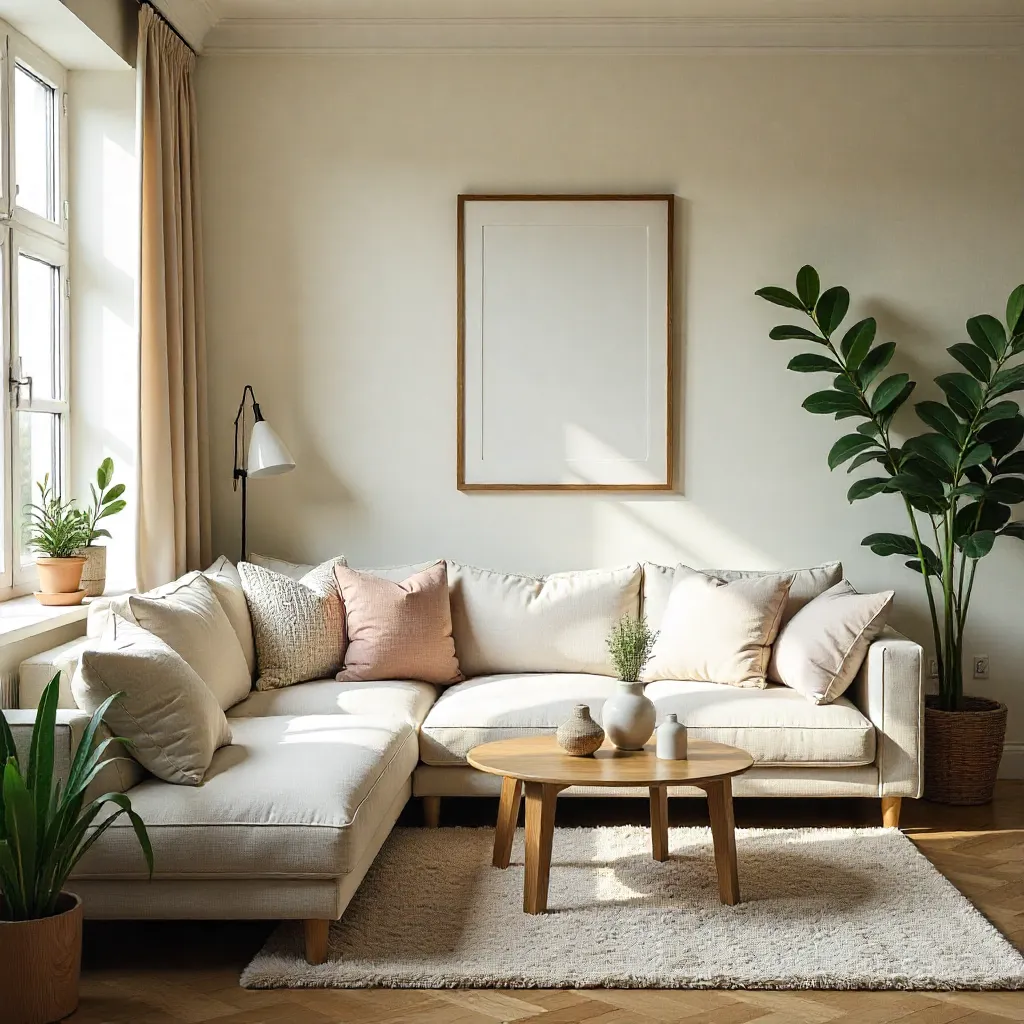
The transformation was immediate and profound. Walking into the room now feels like entering a sanctuary. The visual harmony creates mental ease, and the organized spaces reduce daily stress. Sarah and Mark find themselves naturally drawn to the room, using it for reading, conversation, and quiet reflection.
Emotionally, the space now supports their need for rest and connection. The warm, cohesive palette feels grounding, and the clear organization means everything has its place. They report feeling more relaxed at home and better able to transition from work stress to home peace.
Try This in Your Home Checklist
- Identify one room that causes you stress or feels overwhelming
- Remove all items that don't serve a purpose or bring you joy
- Choose a cohesive color palette of 3-4 harmonious colors
- Rearrange furniture to create clear pathways and defined areas
- Introduce natural materials: wood, wool, linen, or stone
- Layer lighting with multiple sources at different heights
- Clear all surfaces and give each item a designated home
- Add soft textures: cushions, throws, and rugs for comfort
- Test the space for one week and adjust as needed
The Restless Bedroom
What Stress the Homeowners Felt
Emma struggled with sleep quality and found her bedroom felt more like a storage room than a restful retreat. The space was filled with items that didn't belong there, bright overhead lighting made evening relaxation difficult, and the color scheme was too stimulating for rest.
She found herself lying awake, feeling restless and unable to fully relax. The room didn't signal to her body that it was time to rest, and the visual clutter created mental activity when she needed quiet.
What Mindful Changes Were Made
The bedroom transformation focused entirely on creating conditions for rest. All non-essential items were removed, creating a dedicated space solely for sleep and relaxation. The color palette shifted to deep, warm tones: rich terracotta walls, warm charcoal accents, and soft sage bedding.
Lighting was completely redesigned. The bright overhead light was replaced with warm, dimmable options. Table lamps with warm bulbs were added, and blackout curtains ensured complete darkness for sleep. Electronics were moved out of the room, and a small reading nook was created with soft lighting for evening wind-down.
Textures were chosen specifically for comfort: high-quality cotton sheets, a wool blanket, and plush cushions. The bed became the focal point, positioned to face away from the door for a sense of security. A small aromatherapy diffuser was added for calming evening scents.
Emotional & Visual Result
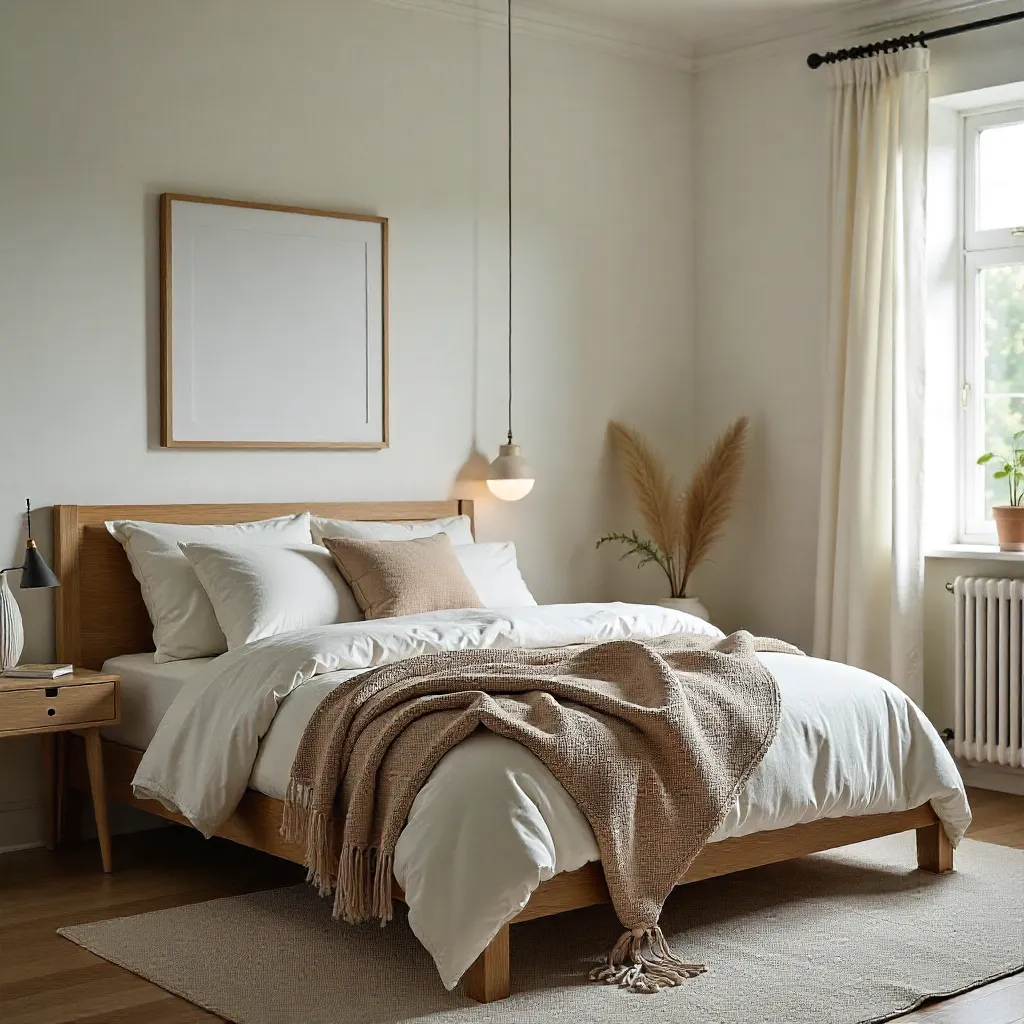
The bedroom now feels like a true sanctuary for rest. Entering the room immediately signals to Emma's body that it's time to relax. The warm, cocoon-like atmosphere supports deep rest, and the absence of clutter allows her mind to quiet naturally.
Sleep quality has improved significantly. The room's design now supports her natural sleep rhythms, and the evening wind-down routine has become a cherished ritual. She reports feeling more rested and better able to handle daily stress.
Try This in Your Home Checklist
- Remove all items from bedroom that aren't related to rest
- Choose deep, warm colors that promote relaxation
- Replace bright overhead lighting with warm, dimmable options
- Install blackout curtains for complete darkness
- Move electronics out of the bedroom
- Invest in high-quality bedding with natural fibers
- Create a small evening wind-down area with soft lighting
- Add calming scents through natural aromatherapy
- Position bed for sense of security and peace
- Establish a consistent evening routine
The Disconnected Kitchen
What Stress the Homeowners Felt
James and Lisa's kitchen felt cold and disconnected, despite being the heart of their home. The space was functional but lacked warmth and invitation. Bright white surfaces felt sterile, and the lack of personal touches made it feel temporary rather than a place to gather and connect.
They found themselves rushing through meal preparation, eating quickly, and not using the space for the connection and nourishment it could provide. The kitchen didn't support their desire for mindful eating and family connection.
What Mindful Changes Were Made
The kitchen transformation focused on warmth, connection, and intentionality. The bright white was softened with warm beige and sage green accents. Natural materials were introduced: wooden cutting boards displayed on the counter, a wool runner, and ceramic containers for everyday items.
A small seating area was created near a window, with comfortable chairs and a small table for morning coffee or evening tea. Lighting was adjusted to be warmer and more inviting, with pendant lights over the island and under-cabinet lighting for task areas.
Personal touches were added: plants on the windowsill, meaningful artwork, and a small collection of favorite cookbooks. The space was organized to support flow during cooking, with frequently used items easily accessible and everything in its place.
Emotional & Visual Result

The kitchen now feels like the heart of the home it was meant to be. The warm tones and natural materials create a sense of grounding and connection. James and Lisa find themselves spending more time in the space, not just for cooking but for morning coffee, evening conversations, and quiet moments.
Meal preparation has become more mindful and enjoyable. The organized space supports efficient cooking, while the seating area invites lingering and connection. The kitchen now truly serves their need for nourishment, both physical and emotional.
Try This in Your Home Checklist
- Soft bright white with warm, inviting colors
- Introduce natural materials: wood, stone, ceramic
- Create a small seating area for connection
- Adjust lighting to be warmer and more inviting
- Add personal touches: plants, artwork, meaningful items
- Organize for flow and easy access to frequently used items
- Display beautiful, functional items like cutting boards or ceramics
- Create space for morning and evening rituals
- Consider how the space supports both function and connection
Your Transformation Awaits
These stories demonstrate that transformation is possible in any space, regardless of size or budget. The key is understanding your needs, making intentional choices, and creating an environment that truly supports your well-being.
Start with one room, one change, one intentional choice. Every transformation begins with a single step toward creating the sanctuary your home can become.