Emotional Impact of Color
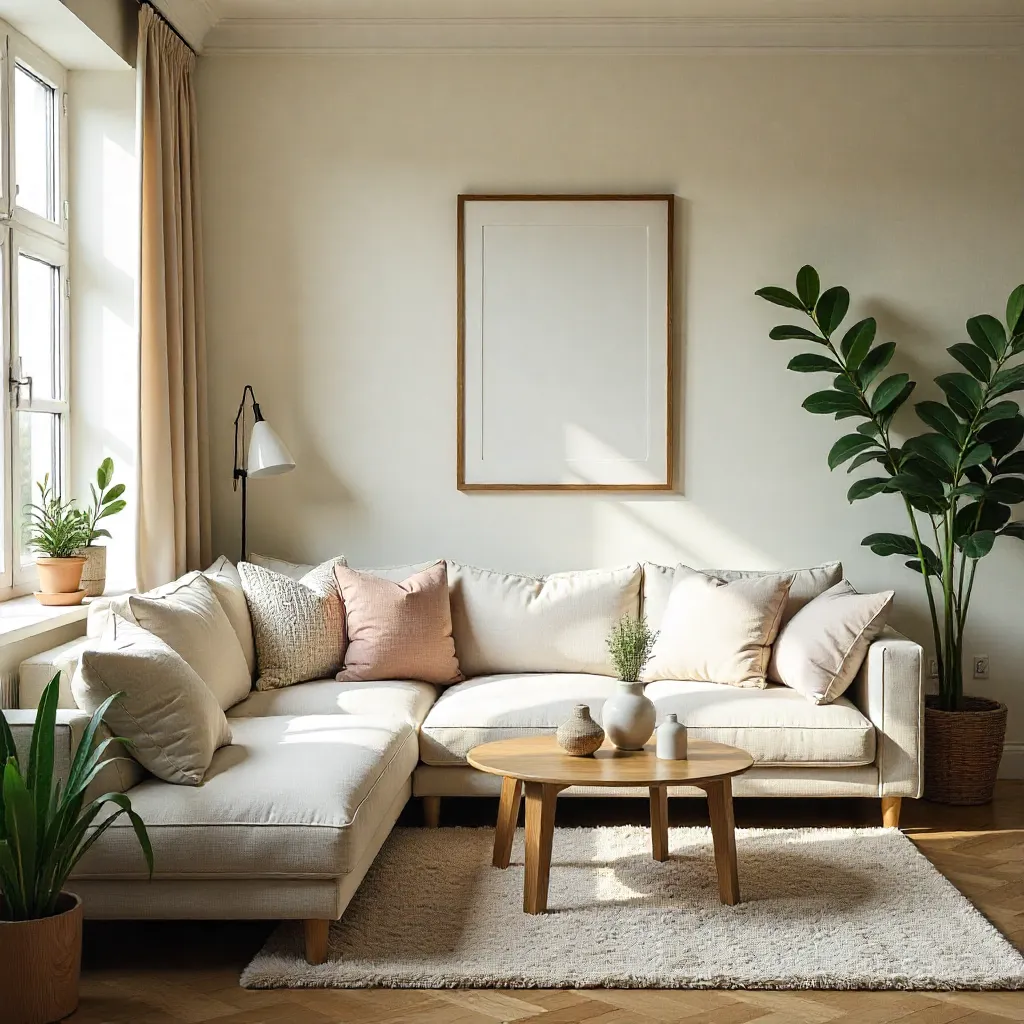
Colors are not merely decorative—they are powerful tools that directly influence our emotions, energy levels, and sense of well-being. Understanding color psychology allows you to make intentional choices that support the atmosphere you want to create in each space.
Warm colors like soft terracotta, warm beige, and gentle sage green promote feelings of comfort, security, and connection. These hues are ideal for living areas and bedrooms where you want to feel grounded and relaxed.
Cool colors such as soft blues, muted grays, and pale greens encourage calm, clarity, and focus. These work beautifully in spaces dedicated to rest, meditation, or quiet reflection.
Bright, contrasting colors create visual noise and can increase stress levels. Too many competing hues make it difficult for the mind to rest.
Harmonious, muted tones create visual peace. A cohesive color scheme allows the eye to rest and the mind to relax naturally.
Choosing Décor with Intention
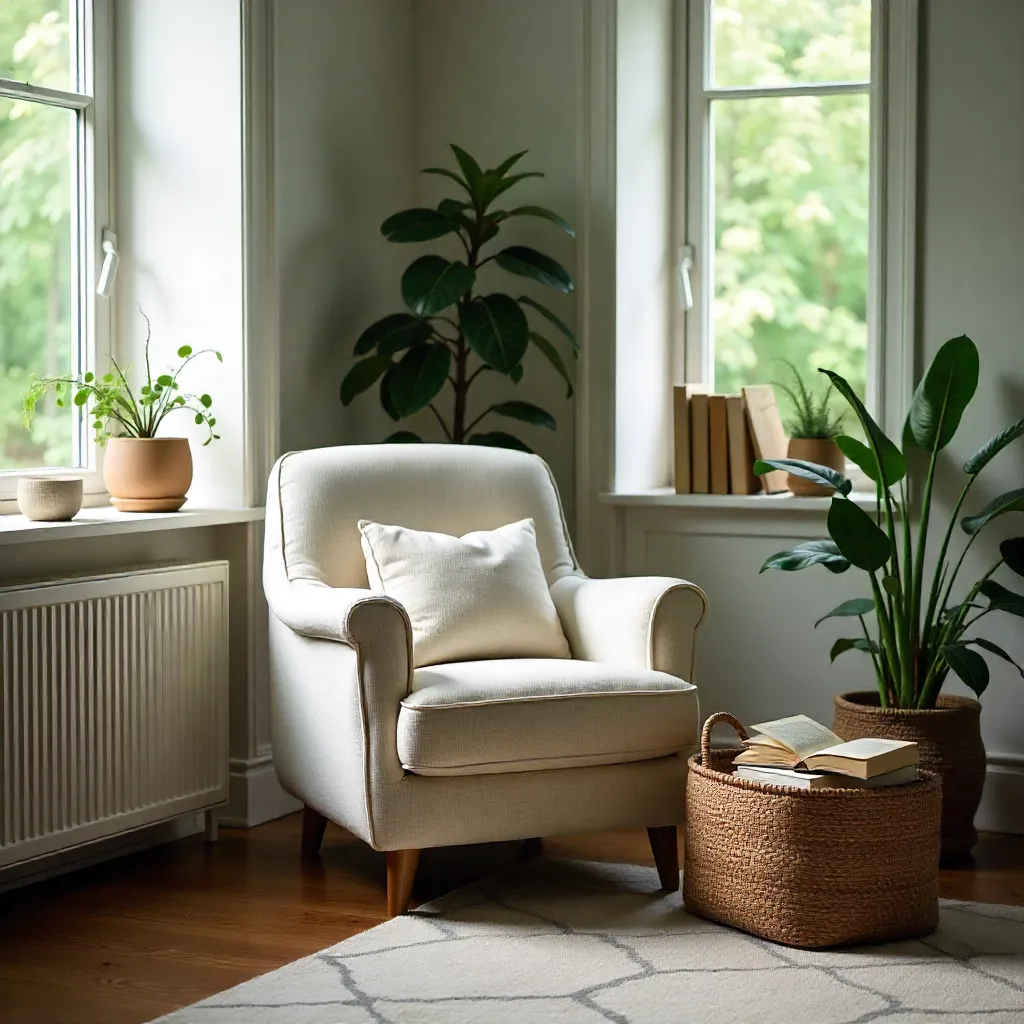
Every object in your home carries energy and meaning. Mindful decorating means selecting each piece with intention, asking yourself: Does this item bring me joy? Does it serve a purpose? Does it contribute to the peaceful atmosphere I'm creating?
Instead of filling spaces with items, choose fewer pieces that have personal significance or aesthetic value. This approach not only reduces visual clutter but also creates a more meaningful connection to your environment.
Consider the materials, textures, and origins of your decorative items. Natural materials like wood, stone, and linen bring an organic, grounding energy to your space. Handmade or locally sourced items often carry more positive energy than mass-produced pieces.
Reducing Visual Noise
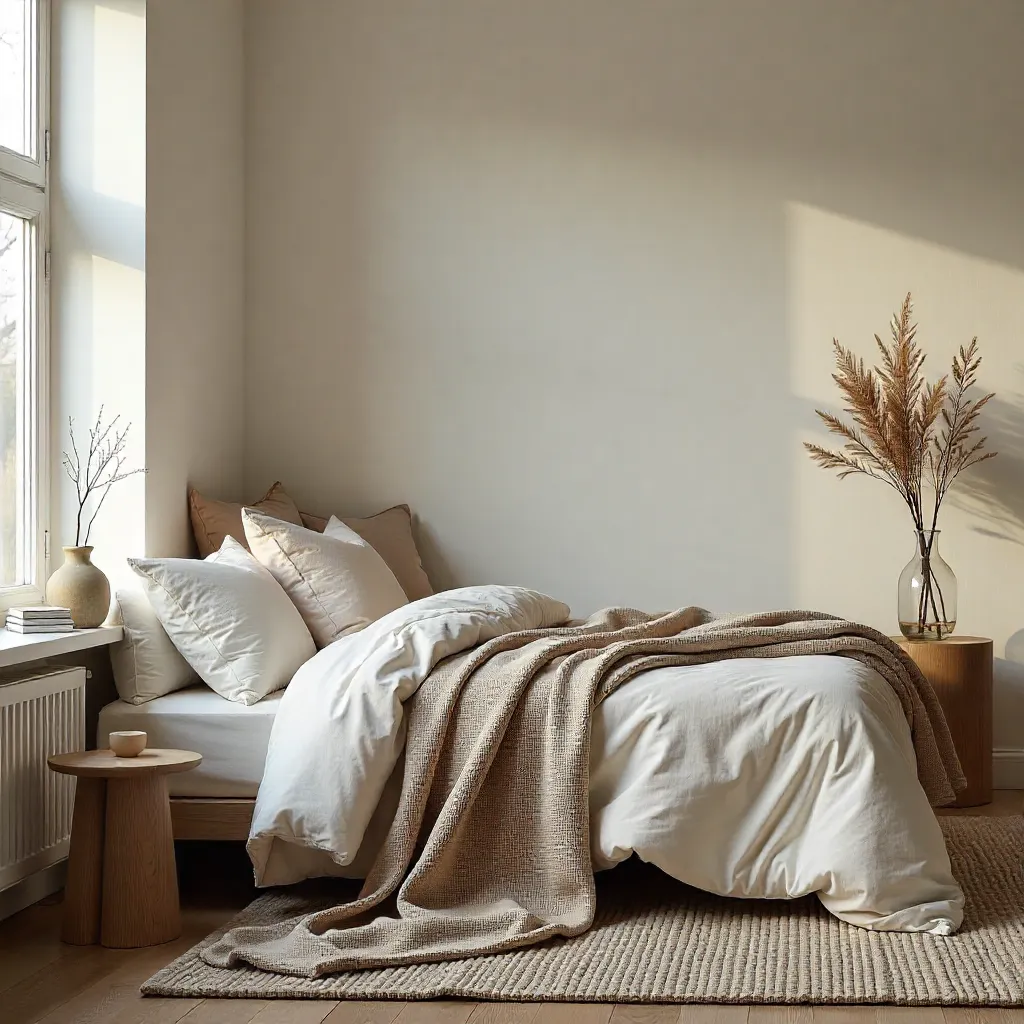
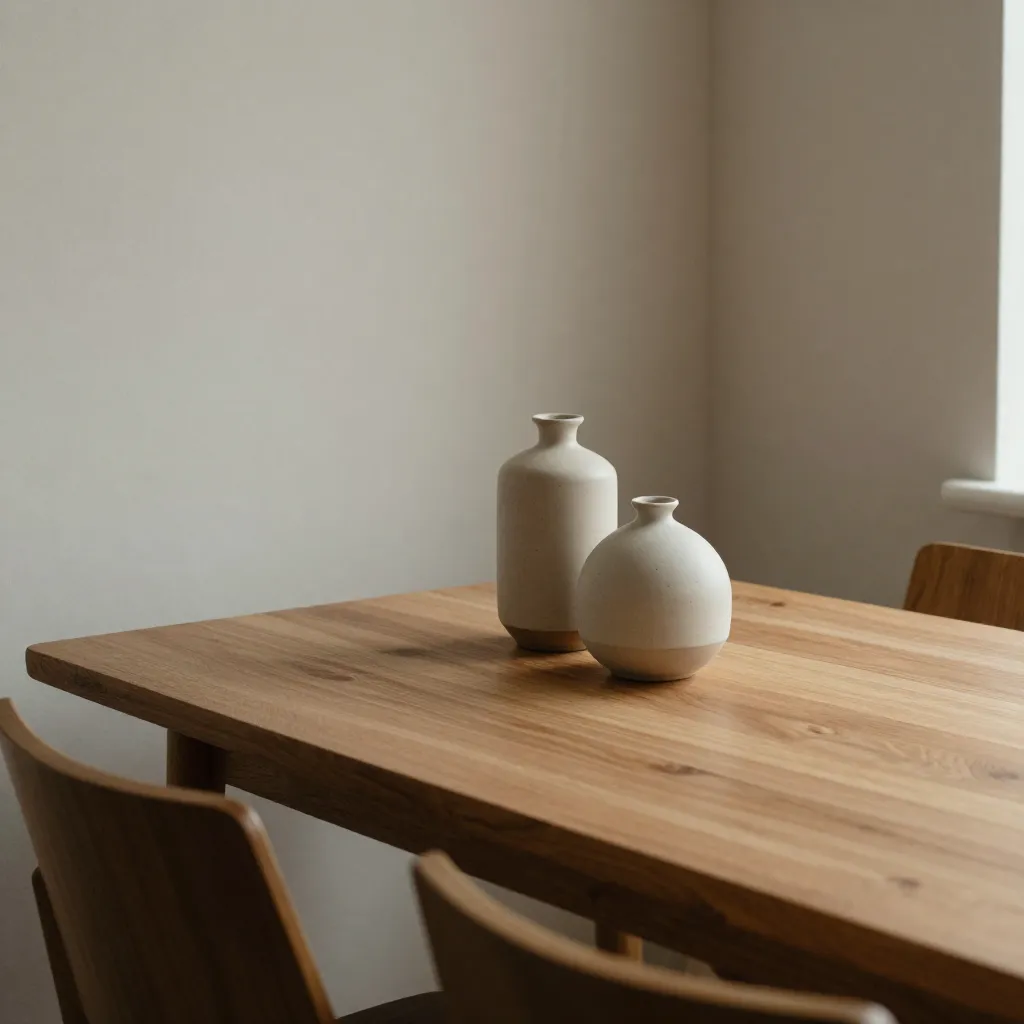
Too many objects compete for attention, creating mental overwhelm. Cluttered spaces make it difficult to focus, relax, or find peace.
Thoughtfully curated spaces with breathing room allow the mind to rest. Each item has its place, creating visual harmony and mental ease.
Visual noise occurs when too many elements compete for attention simultaneously. This can include excessive decorations, busy patterns, cluttered surfaces, or overwhelming color combinations. By reducing visual noise, you create space for your mind to rest and recharge.
Start by identifying areas of visual overwhelm in your home. Remove items that no longer serve you, organize surfaces to create clear spaces, and group similar items together. The goal is not emptiness, but intentional curation that supports peace and clarity.
Rhythm and Flow in Room Layout
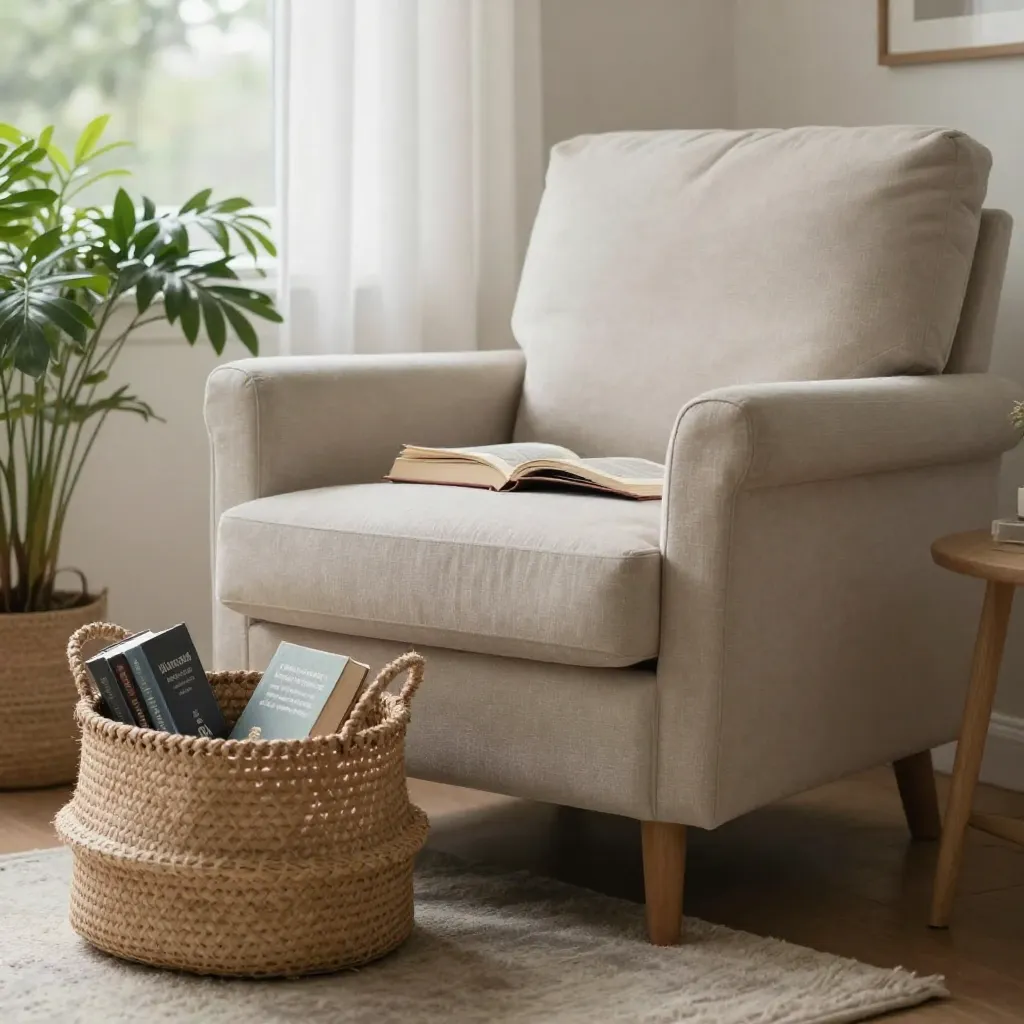
The arrangement of furniture and objects in a room creates an invisible energy flow that affects how you move through and experience the space. Good flow feels natural and effortless, while poor flow creates obstacles and tension.
Consider the natural pathways through your rooms. Furniture should guide movement rather than block it. Create conversation areas that invite connection, and ensure there's always a clear path to windows, doors, and key areas.
Balance is key—too much symmetry can feel rigid, while complete asymmetry can feel chaotic. Aim for visual balance that feels organic and comfortable, allowing the eye to move naturally through the space.
Psychology of Warm and Cool Zones
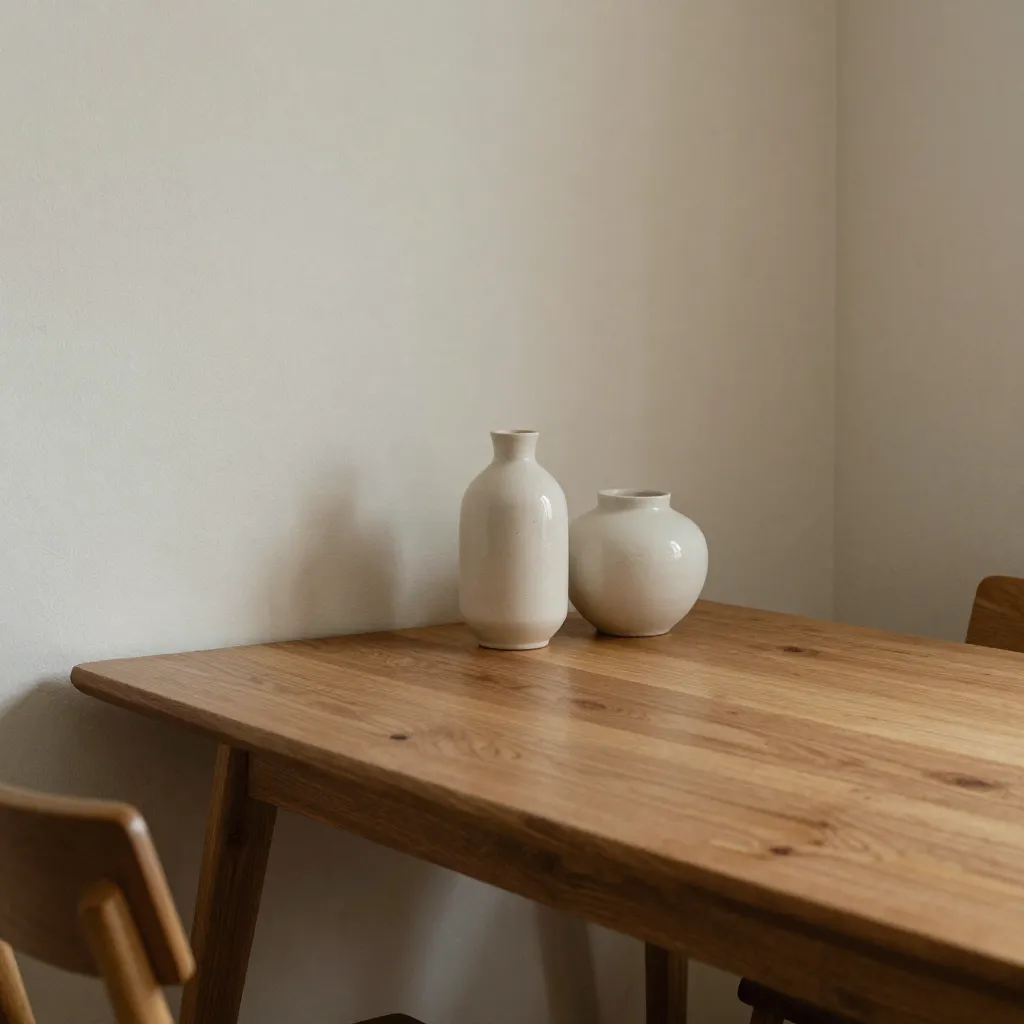
Hard edges and angular furniture create a sense of alertness and formality. These work well in workspaces but can feel too rigid in rest areas.
Curved edges and organic shapes promote relaxation and comfort. Soft lines feel more inviting and create a sense of ease and flow.
Different areas of your home serve different purposes, and their design should reflect this. Warm zones are spaces for connection, comfort, and relaxation—think living rooms, bedrooms, and cozy reading nooks. These areas benefit from warm colors, soft textures, and comfortable, inviting furniture.
Cool zones are spaces for focus, clarity, and rejuvenation—think bathrooms, meditation spaces, or quiet corners. These areas benefit from cooler tones, clean lines, and minimal distractions that support mental clarity.
By intentionally creating both warm and cool zones, you give yourself options for different moods and needs throughout your day. This variety supports emotional balance and allows your home to truly serve your well-being.